
Specialist support for petroleum migration, seepage, or leakage
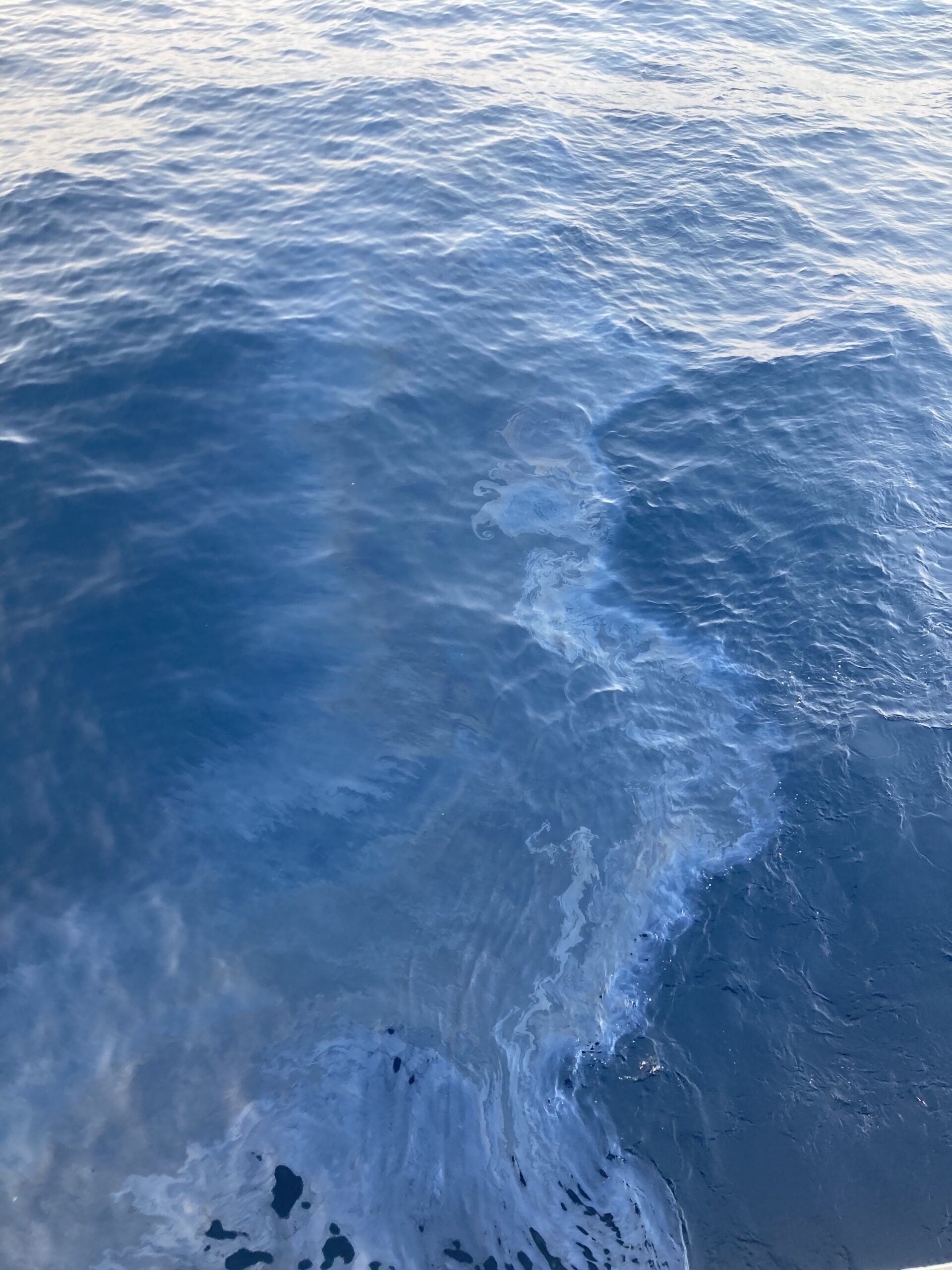
Prolific petroleum systems leak
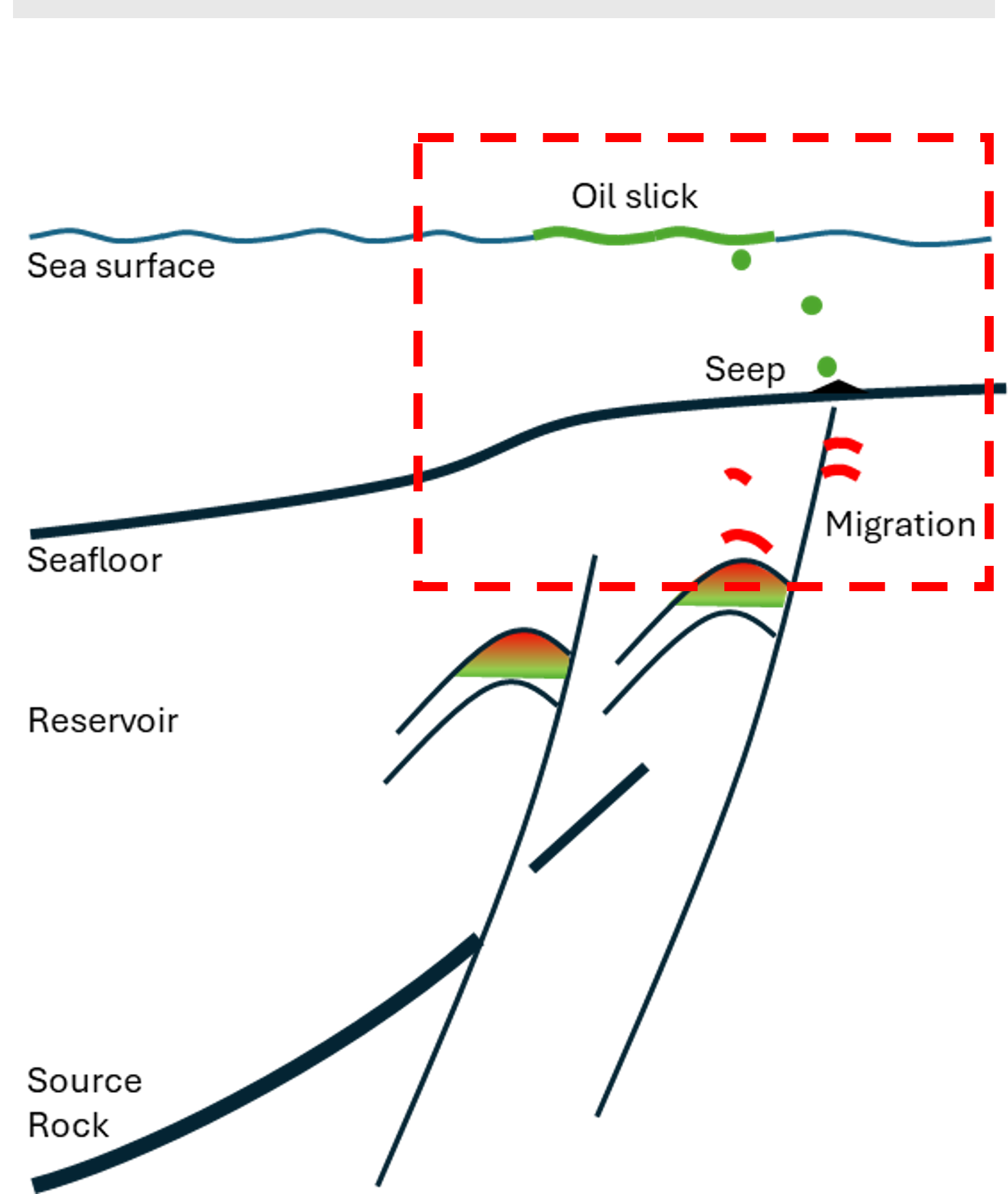
Hydrocarbon migration does not stop at the prospect - it often continues all the way to the surface, where it appears as seeps.
Seephunter products are:
Integrated Charge Evaluation
Expand petroleum analysis with hydrocarbon migration and seepage data to find a working petroleum system, identify sweet spots, and rank prospects
Targeted offshore seep sampling
Obtain petroleum data before drilling wells
Reservoir integrity studies
Assess column height, field development plans or underground storage of leaking reservoirs
Onshore seep sampling
Get precise analysis of seeps at outcrops
Courses, workshops and e-learning
Build Seephunter skills within your company

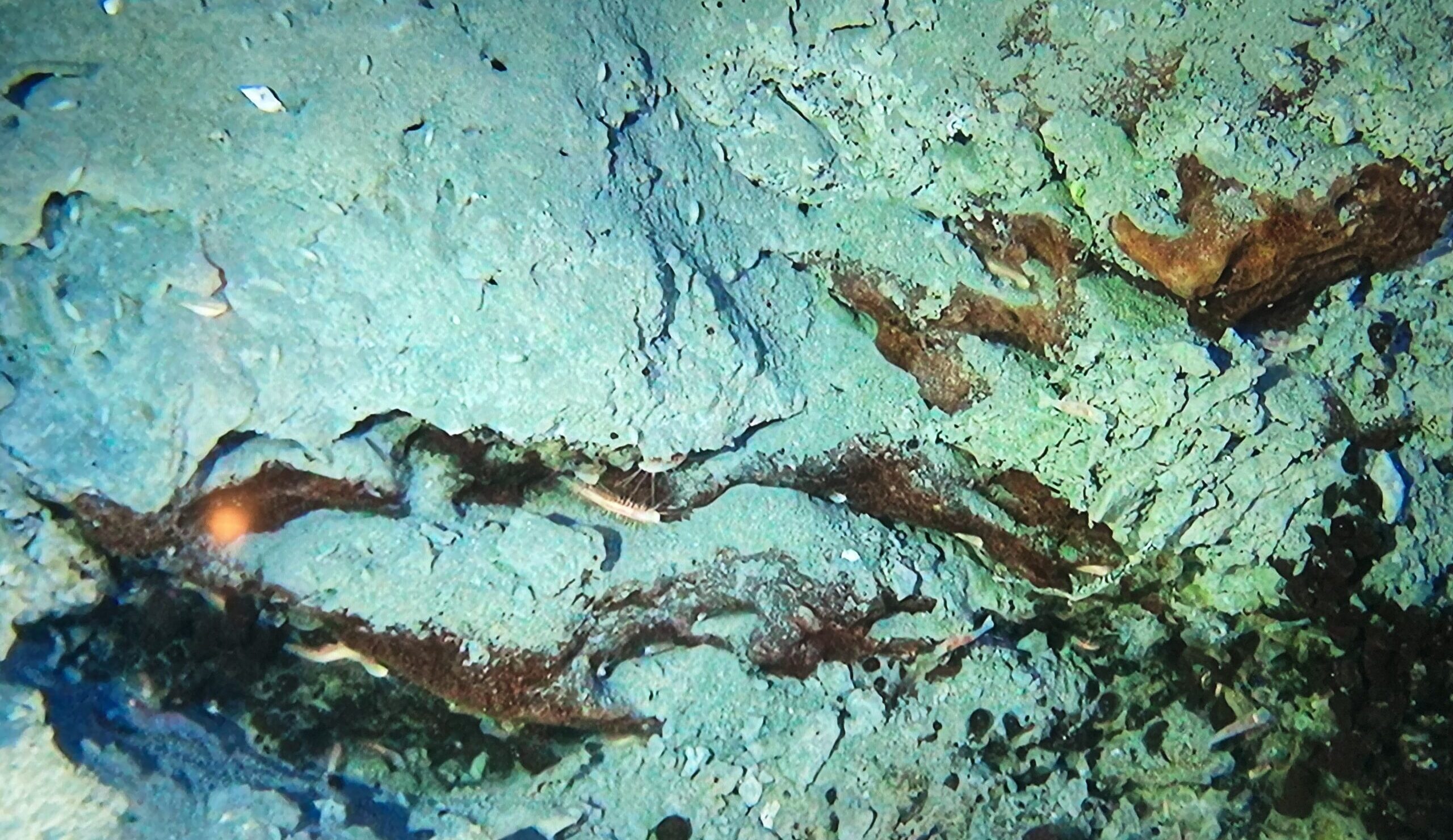
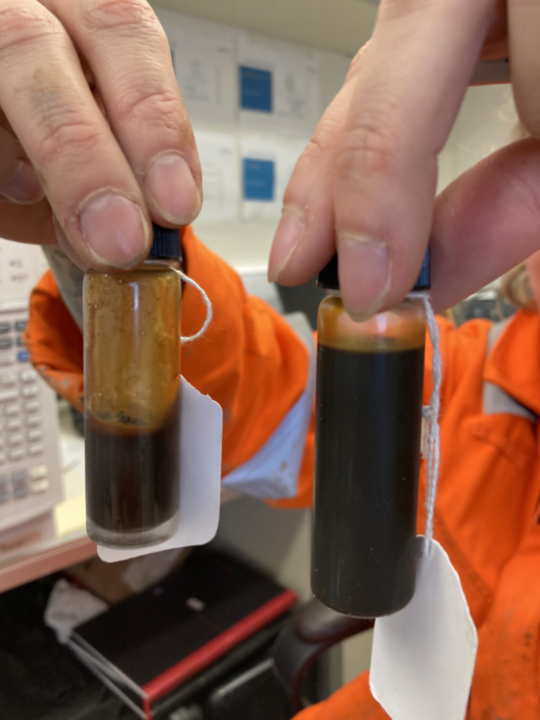
Direct insight into the petroleum system
Focus on overburden migration and hydrocarbon seepage
Hydrocarbon anomalies are abundant yet often left unmapped and not well integrated
Multi-disciplinatry integration required
Migration and seepage often show up in exploration datasets. While individual observations can be highly uncertain, pulling together data from all sources within a strong geological framework can yield accurate and dependable hydrocarbon indicators.
A different view from well results
Dry wells or signs of biogenic gas don’t tell the whole story, a functioning petroleum system may still be present and revealed through seeps or other hydrocarbon indicators.
When is seep sampling relevant?
Consider the following questions: Do we believe seeps are present? What data is needed to guide business decisions? Is there a reasonable chance of obtaining that data? What would be the impact of both positive and negative outcomes? If there’s a fair chance of gathering data that could influence decisions, proceed with a survey.
Expert seismic interpretation reduces uncertainty and guides better decisions
Different interpretations of the same anomaly
Seismic anomalies can have multiple causes, such as fault seals, gas clouds, biogenic gas, or mud volcanoes. This is illustrated here for vintage data but the same is true for modern data.
Different business consequences
Each interpretation carries distinct business consequences, from identifying hydrocarbon accumulations to highlighting high top seal risks or features with no reservoir impact.
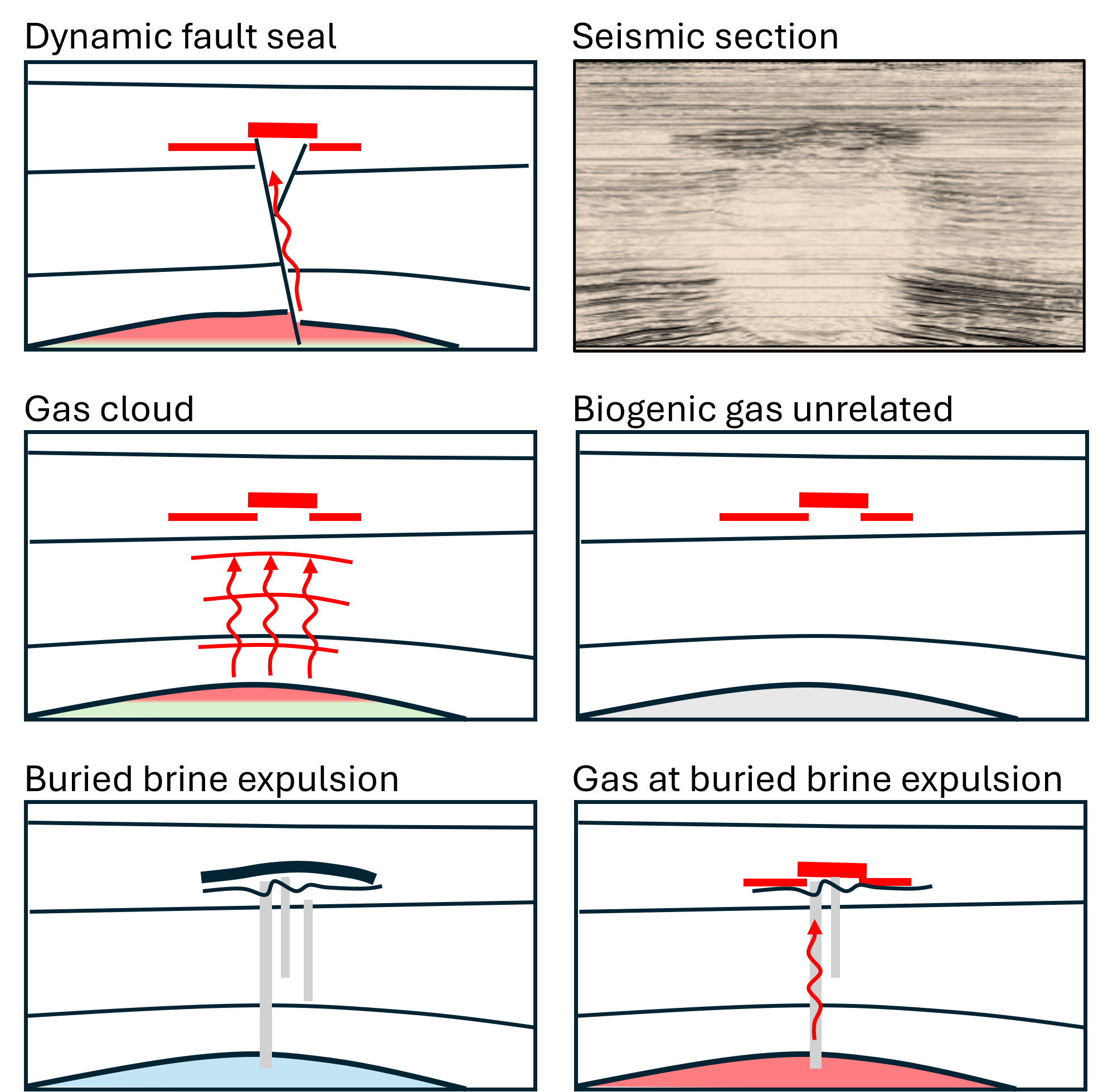
Accurate interpretation is critical
Expert support provides the experience and integrated analysis needed to clarify complex anomalies, reduce uncertainty, and guide better decisions for exploration and reservoir management.
15 years of global deployment
Guided key decisions:
where to explore, drill, exit, or adjust license ownership - using efficient Charge polarization
Discovered new petroleum systems:
defined the extent of known systems, or demonstrated the absence of a prolific petroleum system
Quantitative reservoir integrity studies:
defining injection pressures, injector locations, monitoring plans or simply predicting column heights
Seephunter workflow is designed from experience
Pieter Van Rensbergen, PhD Marine Geology
20 yrs technology development and deployment at Shell; 10 yrs post-doctoral academic research
Specialist seismic interpretation
of all types of fluid migration and expulsion
Seep sampling
using a wide range of tools, some more sophisticated than others, including pressurized samples
Seabed seep detection
testing a wide range of technologies from various platforms
Oil slicks
detection, characterization and sampling
Modeling of fluid flux at top seal leakage
for column height assessment, oil field development and CCUS
Macro- vs Microseepage
Extensive testing of new methodologies
Expert collaborations
Having a reliable group of friendly experts to count on